






















What Happens When a Prison Becomes a Place to Gather? The Story of Tai Kwun
- Feng
- 0 Comments
- Culture
- English
BEFORE
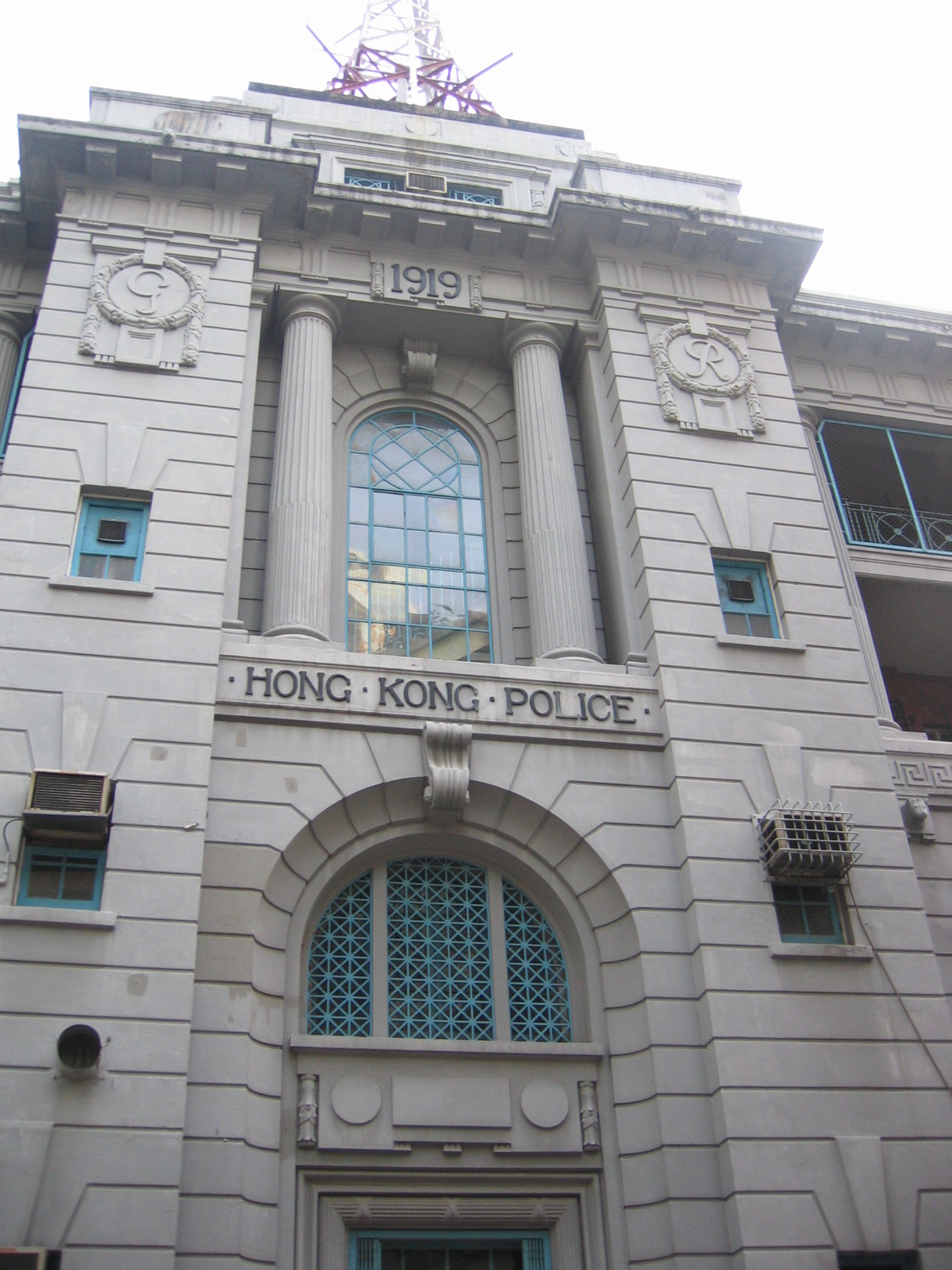
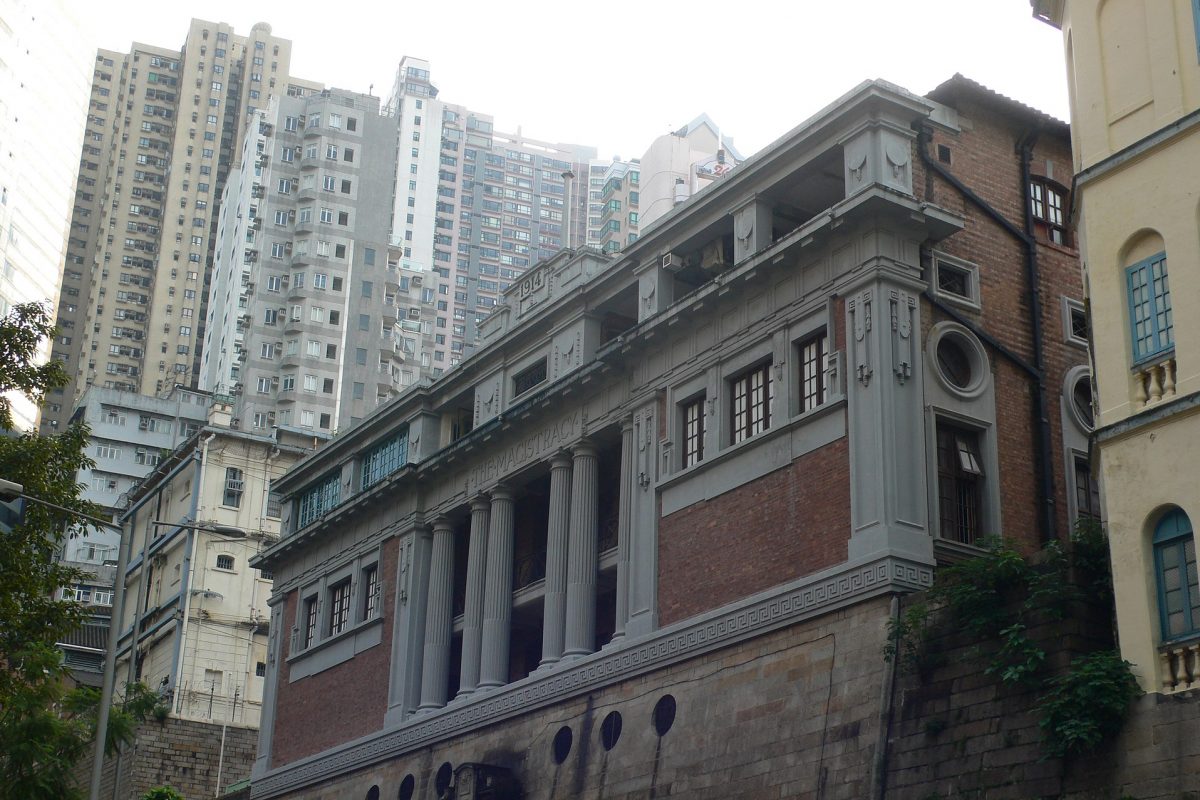
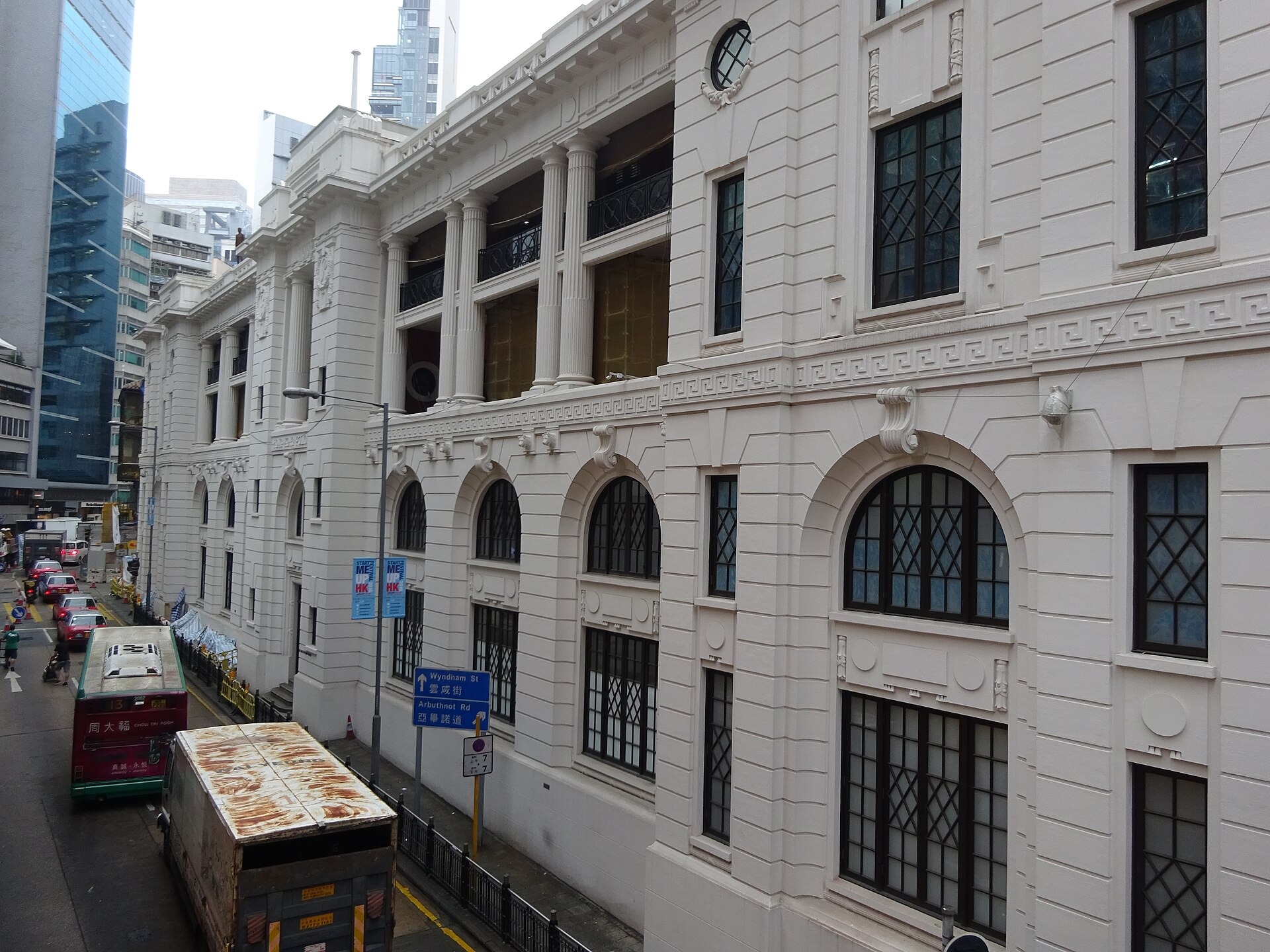
In the middle of busy Hong Kong, surrounded by modern buildings and nonstop movement, there was an old compound that always felt separate from everything around it. Behind the red-brick walls sat the former Central Police Station, Victoria Prison, and Magistracy. You could see them from outside, but they didn’t really invite people in.
For more than 150 years, this place was connected to authority and punishment. People came here for police matters, trials, or imprisonment — not exactly the kind of place you visited casually. The space felt heavy. Thick walls. Narrow cells. Iron bars that reminded you what the buildings were designed for. Everything about the architecture focused on control and order, not comfort or openness.
As Hong Kong grew into a fast, modern city, the compound stayed quiet — almost frozen in time. People knew it was historically important, but many saw it as a complicated part of the past rather than a place to spend time. Most people just passed by. It wasn’t empty because nobody knew it existed. It felt empty because it had stopped being part of everyday life — a piece of the city’s heart that no longer connected with the people around it.
AFTER
Instead of tearing the compound down or turning it into a traditional museum that people only visit once, Hong Kong chose a different path. The space was reimagined and reopened as Tai Kwun — Centre for Heritage and Arts.
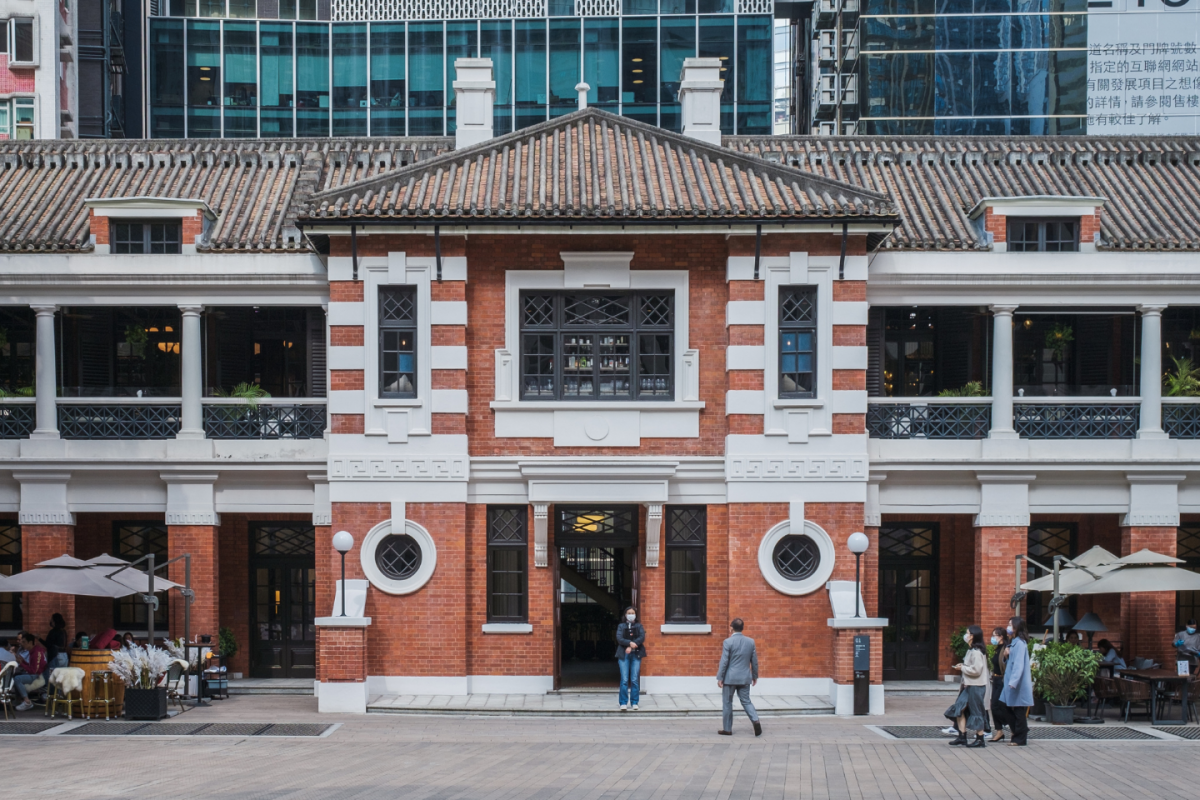
The old buildings are still there. The granite walls, the prison cells, and the colonial architecture were carefully preserved. But the feeling of the place changed.
Today, when you walk through the site, it feels alive in a completely different way.
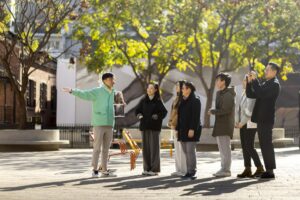
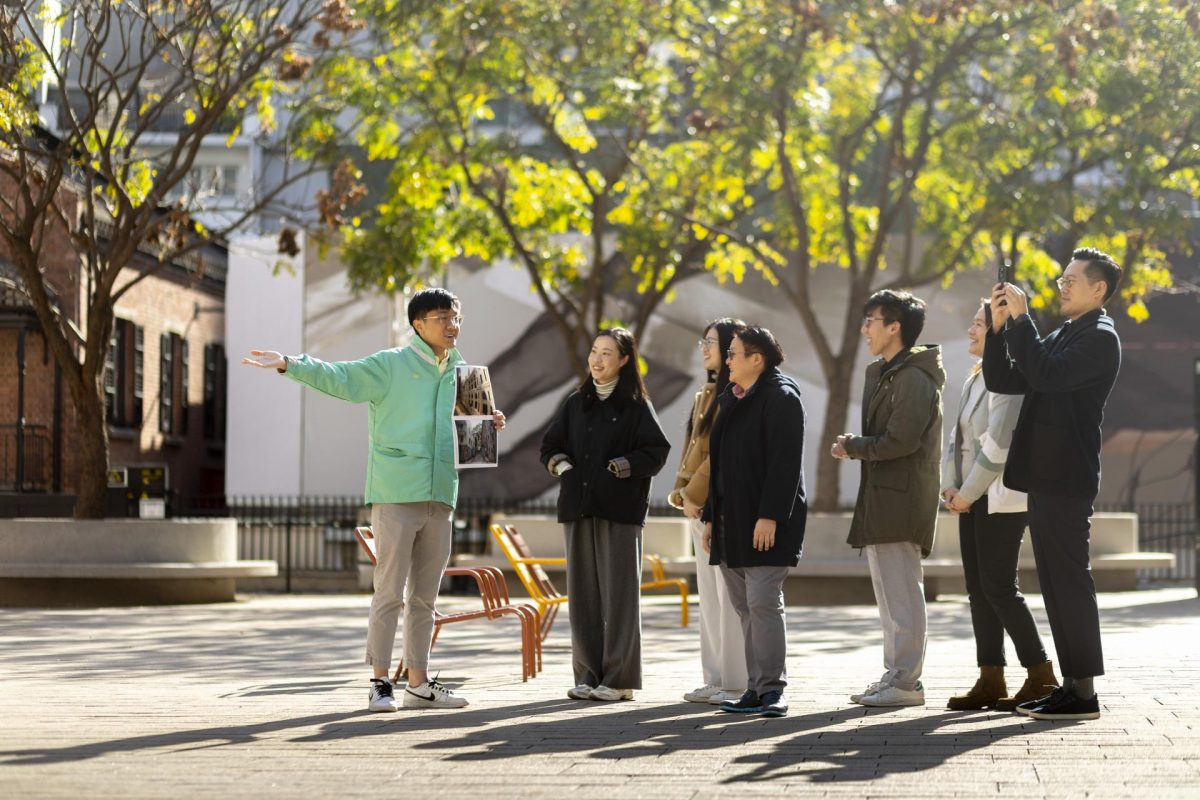
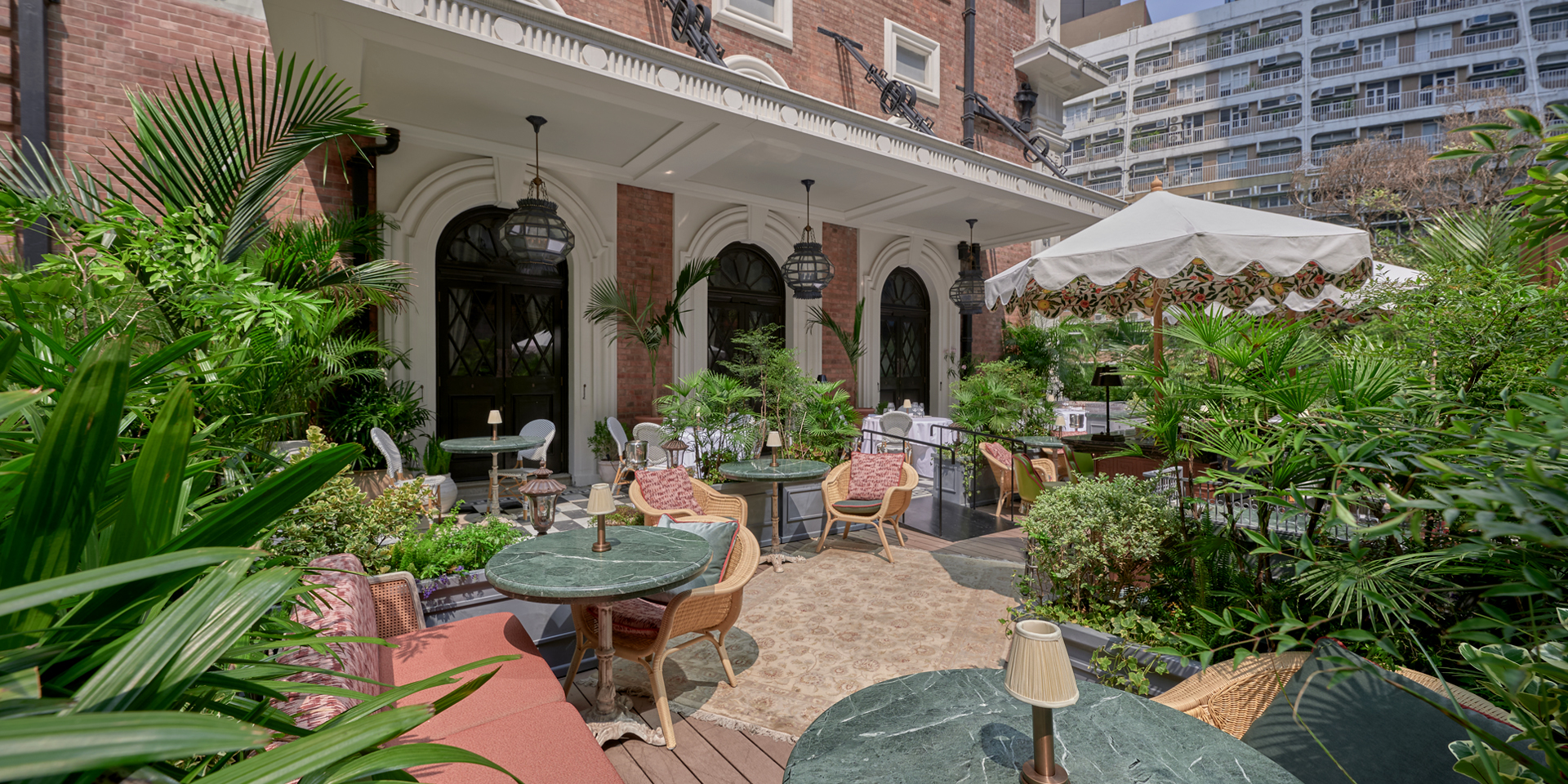
Art installations fill spaces that were once closed off. Music and performances happen in open courtyards. People sit in cafés, talk, and spend time together. You’ll see visitors taking photos, students hanging out, and creatives using the space as part of everyday city life.
What used to feel strict and distant now feels open and welcoming. The transformation isn’t just about restoring old buildings — it’s about changing what the space means.
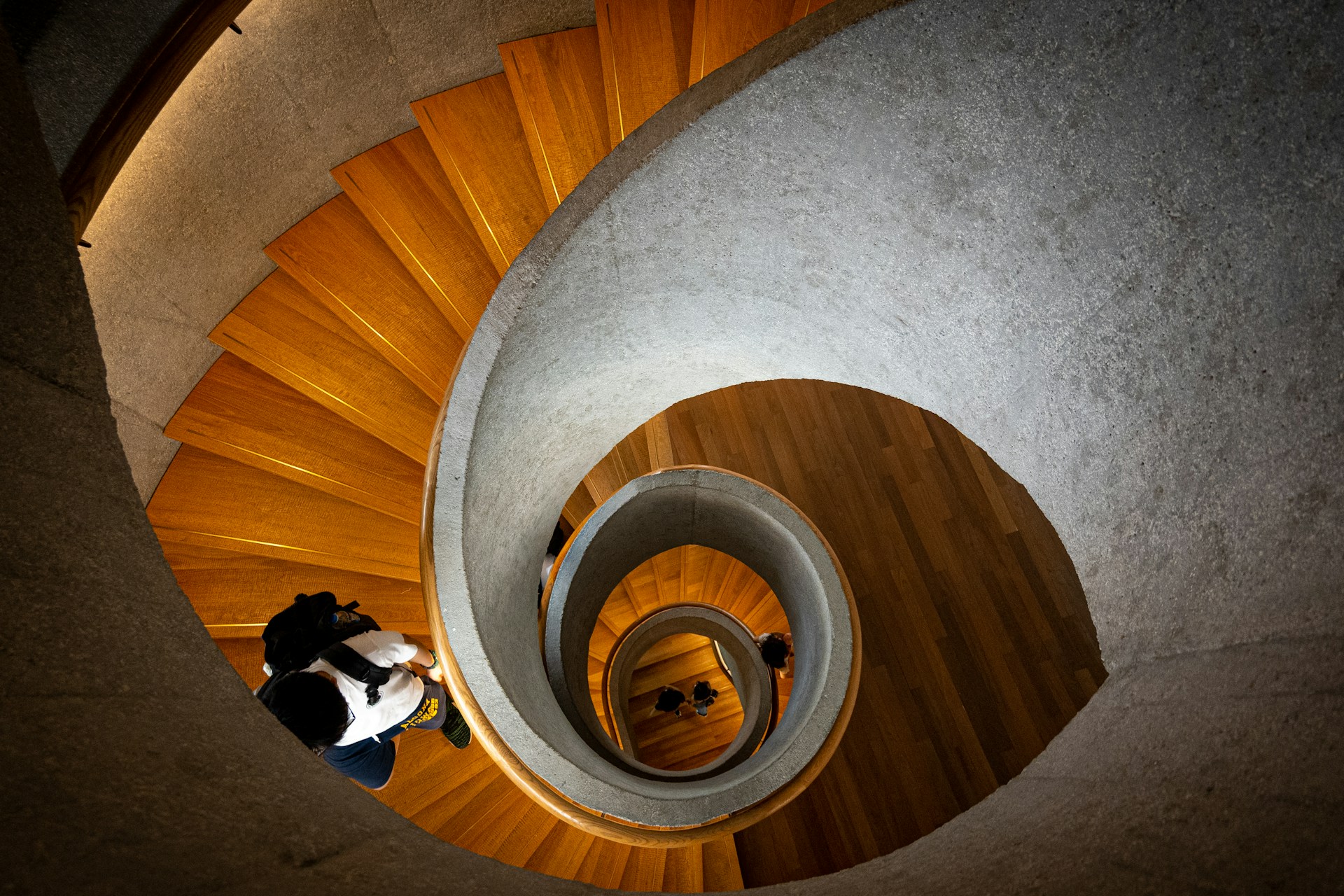
Instead of hiding its history, Tai Kwun keeps it visible. You can walk through preserved jail cells and then step into modern exhibition spaces just minutes later. The contrast makes you pause and think about how places — and societies — change over time.
Rather than erase the past, the city found a way to live with it and give it new purpose. A place once associated with confinement has become somewhere people gather, explore, and express themselves. What used to represent control now feels like a shared public space — one that belongs to everyone.


Responses