


























Repurposing Health from Crisis Response to Whole-Life Wellness

A pill bottle spilled on a medical bill2.jpg

BEFORE

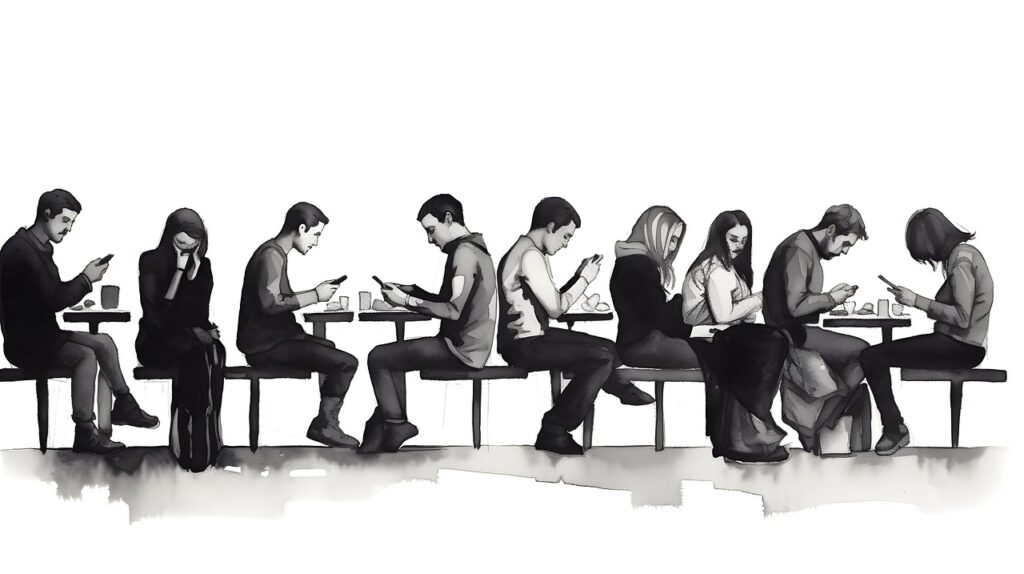
For decades, the U.S. healthcare system has functioned more like a “sick-care industry” than a system designed for actual health. Reactive, transactional, and fragmented, it often waits until people are already in crisis. Clinics are overloaded. Insurance rules dominate decisions. Patients are often treated like data points on spreadsheets instead of whole human beings.

Preventative care was underfunded. Mental health was sidelined. Food, housing, stress, loneliness — the real root causes of disease — were treated as side notes, if at all.

And marginalized communities paid the highest price. Access gaps widened. Medical distrust grew. Outcomes worsened.

In short, the system had become a machine for managing illness — not building health.

AFTER

Across the country, we’re seeing a wave of community-based wellness hubs repurposing abandoned clinics, underused libraries, even old strip malls — turning them into centers for whole-person healing.

Here’s what’s changing:

🥦 Food as Medicine: Local farms partnering with health centers to prescribe produce instead of pills.

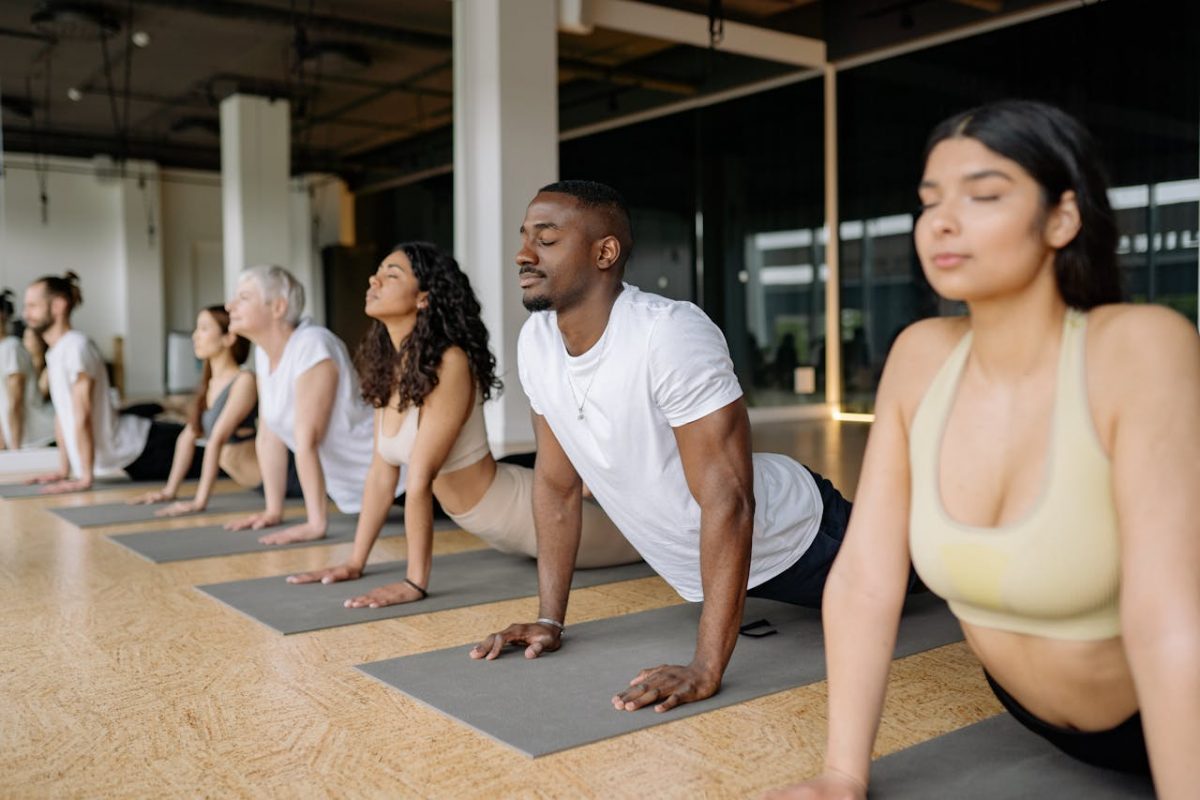
🧘 Movement Spaces: Former waiting rooms now hold yoga, tai chi, and trauma-informed movement sessions.

🧠 Mental Health First: Therapy and peer counseling are offered before breakdowns occur — often free.

🏘️ Social Prescriptions: Patients are “prescribed” time in art classes, garden clubs, or walking groups to battle isolation and inflammation.

🧾 Community Navigators: Instead of bureaucrats, trained community members help neighbors find housing, jobs, or navigate paperwork.

📱 Tech Equity: Retired health tech — tablets, monitors, data systems — is repurposed to offer telehealth to people in rural or tech-invisible areas.

Even language is being repurposed:
It’s not just about “patients” anymore — it’s about people, healers, communities.

The new movement isn’t a rejection of science — it’s a reclaiming of care as a human right, rooted in prevention, empathy, and equity.

Because this isn’t just about treating disease differently — it’s about redefining what health means, and repurposing our entire relationship with wellness.

It shifts us away from reactive systems and toward proactive, relational, justice-based health ecosystems.

Diverse people doing yoga or art in a bright repurposed community space.jpg

Responses