























When Old Drugs Get a Second Chance: How AI Is Rewriting the Future of Rare Disease Treatment

A new AI model is uncovering hidden connections between existing drugs and rare diseases—turning overlooked medications into potential lifesaving treatments.
AI in medicine RPS

BEFORE

For decades, the reality of rare diseases has been stark and discouraging.

Despite affecting millions of people worldwide, most rare conditions remain without effective treatments. Traditional drug development is slow, expensive, and risky—often taking over a decade and billions of dollars to bring a single new therapy to market. For diseases with small patient populations, the economics simply don’t work.

As a result, thousands of rare diseases have been left behind—not because solutions are impossible, but because discovering them has been too difficult.

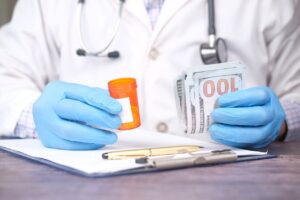
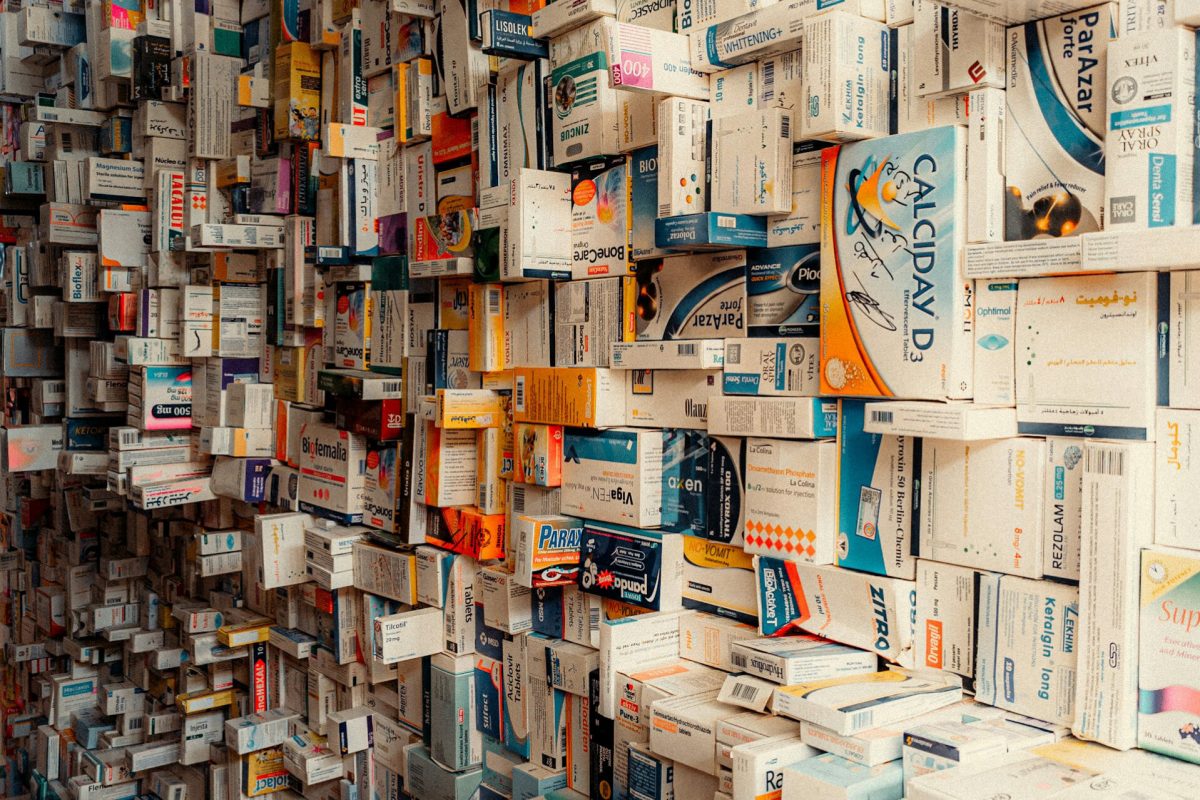
At the same time, there are thousands of existing drugs—already approved, already studied—that sit within a vast, underexplored landscape of untapped potential.

The problem was never just a lack of medicine.

It was a lack of connection.

AFTER

A research team at Harvard Medical School has developed an AI model called TxGNN that changes this equation entirely.

Instead of searching for brand-new drugs, the system analyzes massive biomedical datasets—mapping relationships between genes, diseases, and existing medications—to identify new treatment possibilities hiding in plain sight.

What once relied on chance discoveries can now be done systematically.

Using this approach, the model has generated treatment predictions across thousands of diseases, including many that previously had no viable therapeutic direction. Even more importantly, it can explain the biological reasoning behind its suggestions, bringing a level of transparency that builds trust in AI-driven medicine.

This represents a fundamental shift:

Not inventing from scratch—but rediscovering what we already have.


The rePurpose Insight

This is rePurpose at its highest level.

A drug designed for one condition becomes a potential solution for another.
An overlooked molecule becomes a second chance for a patient.

It’s a powerful reminder that innovation doesn’t always mean creating something new—it can mean seeing existing things differently.


Why This Matters

  • It could dramatically shorten the timeline for developing treatments
  • It reduces cost and risk by using already-approved drugs
  • It brings hope to patients with conditions long considered “untreatable”
  • It opens the door for smaller research teams—not just big pharma—to contribute

Most importantly, it shifts the mindset of modern medicine:

From scarcity → to possibility
From invention → to reinterpretation


Closing Reflection

In a world focused on constant creation, this breakthrough highlights a quieter truth:

Some of the most powerful solutions are already here—waiting to be recognized.

AI is simply helping us see them.

AI RPS drugs for rare diseases

Responses

  1. This is such an insightful look at the intersection of technology and healthcare. The idea that life-saving solutions might already exist in our current medicine cabinets—waiting for AI to find the right connection—is incredibly hopeful. It really highlights how much potential there is when we use innovation not just for the ‘new,’ but to unlock the full value of what we already have. Great read!

    Brandon